A Designer's Review: The "L" Monogram for Craft Fair Products
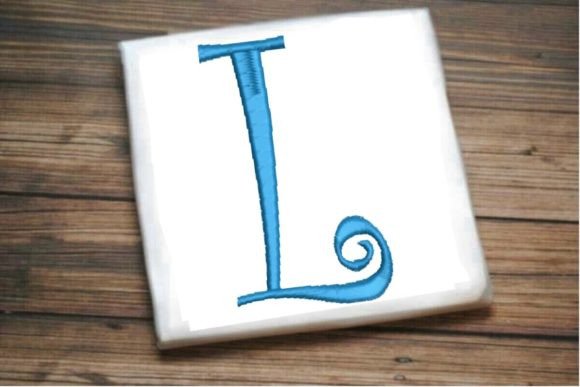
As an embroidery designer preparing for a weekend market, my first task is to evaluate every design for its real-world selling power. The Beautiful Capital L Letter Monogram presents itself as an elegant and sophisticated monogram style. Right away, that tells me this design leans towards a premium, decorative feel. It's not overly rustic or cute; it has a classic, perhaps even slightly formal, character. This is a strong starting point for a craft fair booth, as elegance often translates to perceived higher value, which is crucial for handmade products.
Craft Fair Booth Strategy: Where This Monogram Shines
Picture my table display: a mix of embroidered tote bags, aprons, tea towels, caps, and small giftable items like pouches and pillow covers. The Beautiful Capital L Letter Monogram needs to find its best home to catch a customer's eye in a busy marketplace. For a letter-based design, immediate recognition is key. A monogram "L" is understood at a glance—it's personal. This gives it a natural advantage on items that are often personalized or gift-bought.
I see this design performing exceptionally well as a focal point on simpler, clean-lined products. An elegant tote bag or a crisp linen pillow cover would allow the sophistication of the Beautiful Capital L Letter Monogram to stand out without competition. On an apron or tea towel, it could serve as a beautiful, more minimal accent compared to busy, full-coverage patterns. For caps or curved surfaces, I'd be cautious; the elegance of a monogram often relies on clean lines, and a curved base might distort that impression.
Production Considerations for Batch Creation
Turning a digital embroidery file into a batch of craft fair products requires practical thinking. The description mentions the design may be customized, which is a fantastic selling point for handmade markets. However, for my initial booth stock, I need to assess its repeatability. A sophisticated monogram typically has defined, clear lines. This suggests it might stitch out cleanly and relatively quickly, which is ideal for producing multiple tea towels or patches in a batch.
But I must be careful. Elegant designs can sometimes involve dense stitch areas or intricate details to achieve that premium look. Before running any machine embroidery design on final products, my rule is to always test on scrap fabric that mimics my target material—like a canvas tote or textured towel. I need to check thread contrast, especially if I plan to offer it on dark fabrics, and inspect the stitch density. High density on thick fabric like a market bag might require a sturdy stabilizer and could be time-consuming, affecting my production schedule for the fair.
Photography, Listing Appeal, and Buyer Engagement
A product's success at a craft fair often starts with its online preview on my Etsy shop or social media. How does the Beautiful Capital L Letter Monogram photograph? A clean, elegant design usually photographs very well for online listings. It creates a strong, recognizable graphic that looks professional in printable mockups and on real product photos. This visual clarity directly boosts customer attention and can enhance the perceived handmade quality. It feels intentional and designed, which supports brand consistency across my small shop products.
However, I must create at least one real physical mockup to see it in person. Sometimes, a design that looks perfect on screen loses clarity at smaller sizes. If I intend to offer it as a small patch or on a pouch, I need to stitch a sample at that size to ensure the "L" remains legible and sophisticated. Tiny lettering or overly compact details can blur into a thread blob, undermining that elegant promise.
Maximizing Value and Display Strength
At the craft fair booth itself, display is everything. Where does this monogram add strength? I would group products featuring the Beautiful Capital L Letter Monogram together. A row of tea towels with this elegant design, next to a matching embroidered tote bag, creates a cohesive, premium-looking section. It tells a story of thoughtful gift sets. This grouping engages buyers looking for something special and well-made.
The design affects product value by elevating basic items. A simple cotton tea towel becomes a decorative kitchen accessory. A plain canvas tote bag transforms into a personalized carry-all. This transformation is the core of selling handmade products at markets. The monogram’s elegance suggests it's not just a logo, but a piece of decoration, which customers often value higher.
Final Designer Notes Before the Hoop
Before I commit this design to my commercial embroidery for the fair, my final checklist is critical. I have the description, but I need the file specifics. I must confirm the hoop size required. A design that needs a large hoop limits the products I can put it on—small pouches or caps are out. I need to review the spacing and any potential tiny details that might snag on textured towels. I'll compare how it looks on a few fabric color samples to plan my product range.
Most importantly, as a professional, I must confirm the commercial licensing terms of the digital embroidery file. Selling finished products at a craft fair is a commercial use. Only after confirming I have the right license, testing the stitchout on my key fabrics, and seeing that beautiful capital "L" emerge elegantly and clearly on my scrap, will I load my machine and start producing the tote bags, aprons, and tea towels that, I believe, will attract the right customers to my booth this weekend.