A Professional Review of Ink Free Fonts Embroidery Design
Why I Chose Ink Free Fonts for My Custom Gift Shop
When planning products for my shop, I look for embroidery designs that can become the heart of a personalized gift. Ink Free Fonts Embroidery Design was my first choice for testing. The idea was simple: to see if this font could handle real customer orders—from a baby’s name on a blanket to a wedding date on a pillow cover.
I imagined a customer wanting a meaningful keepsake. Whether it’s a nursery item, a kitchen towel for a new home, or a tote bag for a friend, the font needed to feel special. My goal was to review Ink Free Fonts not just as a digital embroidery file, but as the finished product a customer would receive.
The First Impression: Classic Charm with a Handmade Feel
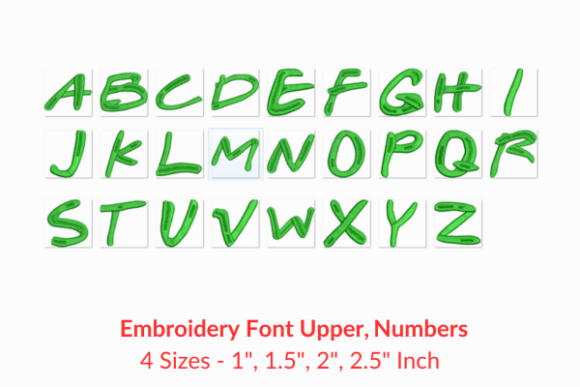
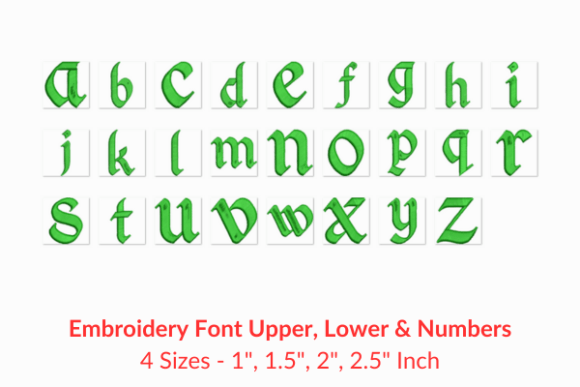
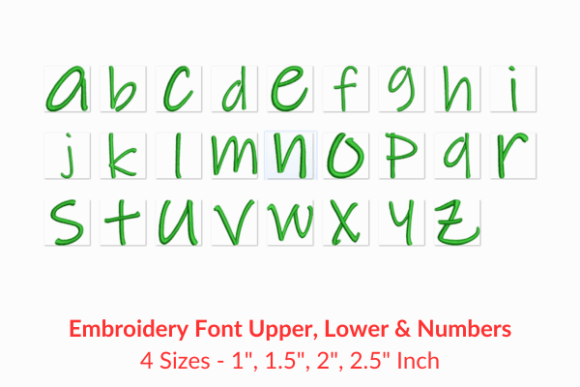
Opening the design, the mood was clear: classic and sweet. It didn’t scream modern or overly playful. Instead, it had a timeless charm that felt both elegant and handmade. The details were soft, not sharp or rigid. This emotional appeal is key—it whispers “thoughtful gift” rather than shouting “generic product.”
For a baby embroidery project, it feels gentle. For a wedding gift, it carries a romantic subtlety. It’s versatile enough for seasonal items but remains a classic choice year-round. This broad emotional range is exactly what gift shop owners and Etsy sellers need to attract diverse buyers.
Practical Applications: From Baby Blankets to Wedding Keepsakes
I planned a series of mockups to test its application. Here’s where Ink Free Fonts Embroidery Design truly shines for personalized gifts.
- Baby & Nursery Items: Embroidering a name on a blanket or a wall hanging. The font’s sweetness enhances the product’s emotional connection.
- Wedding & Family Keepsakes: Adding dates or quotes on pillow covers or apron gifts for the new home. It feels commemorative without being formal.
- Home & Kitchen Personalization: Names on towels or witty quotes on aprons. It elevates a simple towel into a custom embroidery.
- Craft Fair & Etsy Staples: Tote bags and pillow covers. These are high-volume items for small business owners; a reliable, charming font speeds up custom order previews.
The ability to write names, dates, or quotes on any fabric you wish is the core promise. For handmade sellers, this transforms a plain fabric into a story.
Where Caution is Needed: A Designer’s Practical Notes
No embroidery design is perfect for every scenario. Based on my experience, here are situations where using Ink Free Fonts requires careful planning.
- Small Lettering: On delicate details, tiny text might lose clarity. Always test on scrap fabric first.
- Textured or Difficult Fabrics: Thick towels, stretchy baby clothes, or curved surfaces (like hats) demand proper stabilizer and possibly adjusted stitch density.
- Dark Fabric: Thread color contrast is paramount. A light thread on dark fabric makes the elegant details pop, but a poor choice can hide them.
- High-Wash Items: For blankets or towels that need frequent washing, a robust stitch foundation is needed. The design’s quality helps, but your execution must be solid.
The product category of School hints at its clean, readable nature, but its application in embroidery for gifts is far broader.
The Giftability Factor: How This Font Boosts Your Business
From a commercial perspective, using a high-quality embroidery font like this directly impacts your success.
- Perceived Value & Customer Trust: A beautifully embroidered name looks professional. It builds trust that your handmade product is worth the price.
- Emotional Connection & Buyer Engagement: This font helps create an heirloom. A customer sees a baby blanket with a lovingly stitched name and feels that connection instantly.
- Product Photography & Etsy Listings: Clean, elegant embroidery photographs beautifully. It makes your digital embroidery file’s promise tangible in your listing images.
- Handmade Quality: It bridges digital efficiency with artisan results. You’re not just selling a font; you’re selling the feeling of a custom-made gift.
For small shop owners and digital product sellers, these are the subtle details that turn a casual browser into a committed buyer.
Essential Embroidery Notes Before You Stitch
Before running this design on a customer’s order, I follow a strict checklist. I advise every crafter and business owner to do the same.
- Test on Scrap Fabric: Use the same material as your final product (e.g., blanket cotton, towel terry).
- Check Thread Color Contrast: Compare light and dark fabric mockups digitally, then stitch them.
- Confirm Hoop Size: Ensure the text fits comfortably within your planned hoop size for the item.
- Review Stitch Density: Observe how the design stitches out. Is it too dense for delicate fabric? Too sparse for thick fabric?
- Use Proper Stabilizer: Match the stabilizer to your fabric texture. This is critical for clean results.
- Check Small Details After Stitching: Look closely at the embroidered sample. Are any fine lines or curves breaking?
- Confirm Commercial Licensing: Before selling finished products, verify the license terms of the Ink Free Fonts Embroidery Design. This is a crucial step for commercial embroidery.
Remember, the product description states it’s a high-quality embroidery font to personalize designs. Its performance depends on your skillful application.
Final Thoughts: A Reliable Partner for Personalized Gifts
After my testing, Ink Free Fonts Embroidery Design stands out as a reliable, emotionally resonant tool. It won’t suit every single project—extremely small-scale or highly technical applications might need a different choice—but for the vast world of personalized gifts, it’s a winner.
It helps you, the embroidery maker, deliver what the gift-buying customer truly seeks: a piece that feels uniquely made for them, carrying a name, a date, or a quote with classic charm. From baby product creators to wedding gift designers, having this font in your arsenal means you’re ready to turn a custom order into a cherished keepsake.
My recommendation is straightforward: incorporate it into your workflow, follow the practical steps, and let it help you write those stories onto fabric. The result will be products that not only sell but also create lasting memories for your customers.