Dahlia Font Embroidery: A Designer's Review for Apparel
Planning a new collection of boutique sweatshirts or hoodies means finding embroidery elements that add value without overcomplicating production. When browsing Creative Fabrica embroidery designs for such a project, the Dahlia Font Embroidery Design caught my eye as a potential candidate for personalized accents. From a professional designer's perspective, here’s a practical look at how this machine embroidery design might perform in real-world apparel projects.
First Impression: Visual Mood & Decorative Strength
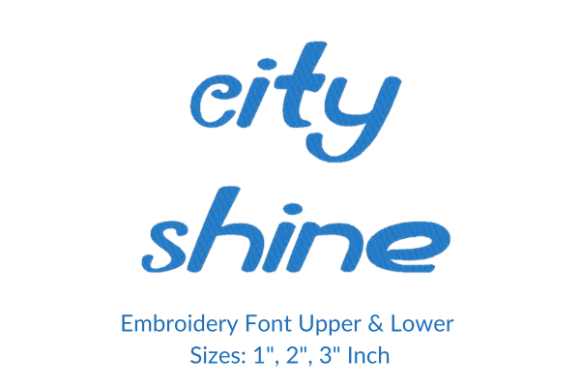
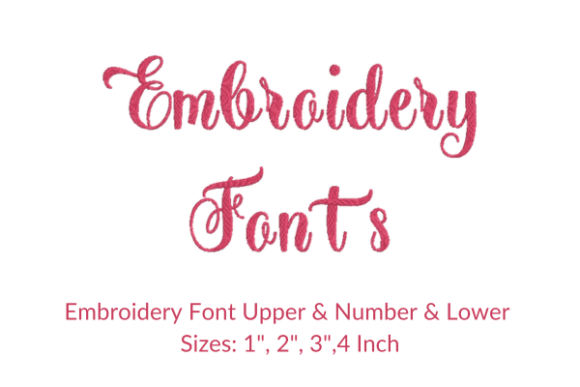
The Dahlia Font Embroidery Design presents a distinctly feminine and slightly classic character. It doesn’t scream trendy or ultra-modern, but rather offers a reliable, decorative strength that feels both premium and approachable. This is a font with personality—it’s not a minimal, blocky type. The curves and details suggest a stitching mood that is elegant yet casual enough for everyday custom apparel. For a boutique brand aiming to create cozy, seasonal outfits with a touch of curated charm, this font could align well. It feels more "cute" than "bold," and would likely resonate on handmade product listings targeting a specific, style-conscious audience.
Application on Key Apparel & Lifestyle Products
Imagining this embroidery file applied to actual garments requires thinking about placement, fabric, and final presentation.
Sweatshirt & Hoodie Embroidery
For a small sweatshirt or hoodie collection, Dahlia Font Embroidery Design could shine on chest placements. On a neutral sweatshirt—like heather grey or cream—the font would pop nicely with a contrasting thread color, adding that personalized touch for names or short quotes. On dark apparel, such as black or navy hoodies, you’d want to ensure high-contrast thread (a bright white or pastel) to maintain visibility. The decorative nature of the font might work beautifully as a sleeve accent on oversized garments, though scale becomes crucial. For a back design on a hoodie, you’d need to confirm the font can be sized appropriately for the larger area without losing detail or creating overly dense stitch areas.
T-Shirts, Denim Jackets, & Tote Bags
On t-shirts, this font would best serve as a smaller, focused detail—perhaps near the collar or on a sleeve—rather than a large centerpiece, to avoid issues with the lighter, more stretchy fabric. For denim jackets, the rustic texture could pair interestingly with the font’s elegance, creating a balanced, custom look. Tote bag design is another strong possibility; the stable fabric base is forgiving, and the font could add significant value for boutique merchandise. It’s ideal for writing a shop name or a motivational quote that turns a simple bag into a lifestyle product.
Presentation & Commercial Use
From a commercial standpoint, using Dahlia Font Embroidery Design on products for an Etsy shop or small clothing brand can affect perceived value. A well-embroidered, personalized item using a distinctive font builds brand identity and buyer trust. It creates product recognition and visual consistency across a line. For Etsy seller listings, social media graphics, and printable mockups, items featuring this font would present a professional, cohesive look that encourages customer engagement. It suggests care and specificity, which is exactly what buyers of handmade goods often seek.
Practical Considerations & Designer Notes
While the visual appeal is clear, a responsible production process involves several technical checks. The provided description states it’s a high-quality embroidery font for personalizing designs, but specifics like stitch count, exact file formats, and hoop size are not detailed. Therefore, before any production, it is essential to review the full Creative Fabrica product details and licensing terms for commercial use.
Where to Use Carefully
Given its likely decorative detail, the Dahlia Font Embroidery Design should be approached carefully in certain applications. On very small chest placements, the intricacies might get lost. On dense stitch areas, especially on fleece or ribbed fabric, you must test to avoid puckering. Stretchy fabrics and curved surfaces (like the shoulder area of a hoodie) require excellent stabilizer choice and possibly testing on scrap fabric first. Tiny lettering with this font could be problematic, and areas that may stretch or wrinkle over time need a robust embroidery strategy.
Essential Pre-Production Steps
As a designer planning a collection, my standard workflow would include:
- Testing the embroidery file on scrap fabric identical to the target garment (e.g., sweatshirt fleece).
- Checking stabilizer choice for the specific fabric texture.
- Reviewing thread color contrast against the final apparel color palette.
- Confirming the necessary hoop size by examining the design's dimensions.
- Inspecting stitch density in the preview files to anticipate any machine or fabric challenges.
- Comparing placement options on actual garment samples or digital mockups.
- Absolutely confirming the commercial licensing scope before selling any finished apparel.
Final Thoughts on Value for Creative Entrepreneurs
The Dahlia Font Embroidery Design, from the School category on Creative Fabrica, represents a tool for digital sellers and creative entrepreneurs to elevate their apparel projects. Its strength lies in its decorative personality, which can transform a simple neutral sweatshirt, pastel hoodie, or dark garment into a perceived premium item. For small shop products, it offers a path to customization that feels deliberate and designed, not generic. However, its successful application hinges on those practical embroidery designer steps—testing, confirming technical details, and respecting fabric limitations. When used thoughtfully, this font can become a reliable part of a brand's visual language, adding that layer of personalized craftsmanship that today’s market for handmade, boutique goods truly appreciates.