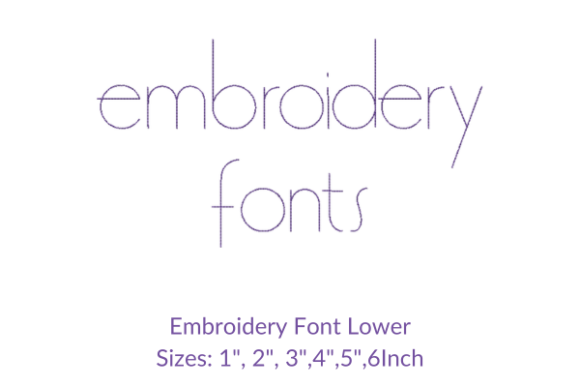
Premierlig Font: A Versatile Tool for Craft Fair Embroidery
As an embroidery designer preparing for a weekend market, my first task is always to evaluate new designs through the lens of production and sales. When considering the Premierlig Font embroidery file, I’m looking at it not just as a digital asset, but as a potential product on a tote bag or apron in my booth. The description suggests a font for personalization—names, dates, quotes. That tells me this is a utility design, but its success will depend entirely on how it translates from screen to fabric.
The First Impression: Clean, Modern, and Readable
Based on the title and description, Premierlig Font feels modern and clean. It doesn’t scream “rustic” or “festive”; it leans towards a premium, versatile aesthetic. This is a significant advantage at a craft fair. A font that is too decorative or niche can limit its application. A clean, readable font like this can adapt to many product styles—from minimalist market bags to more decorative pillow covers. It feels like a font that adds value through clarity, not just ornamentation.
Where Premierlig Font Shines on the Booth Display
My table will have a mix: tote bags, aprons, tea towels, caps, small pouches, and pillow covers. I need to imagine where this font will catch a customer’s eye.
Tote Bags and Market Bags
For tote bag design, a clean font is essential. A bold, messy font can look chaotic on a large bag surface. Premierlig Font, if it stitches out with good spacing, would be excellent for a simple quote or a name along the bottom edge or center panel. It creates a handmade product that looks intentional and professional, not haphazard.
Aprons and Tea Towels
Apron embroidery and tea towel embroidery often feature short phrases or family names. The “School” category hint might imply a certain straightforwardness, making it great for “Kitchen Boss” on an apron or “Fresh Baked” on a towel. On textured towel fabric, the font needs to be sturdy; tiny, delicate lettering can get lost. I’d hope Premierlig Font has sufficient stitch density to stand up to that texture.
Caps, Patches, and Small Pouches
These are the test cases. A curved cap surface can distort lettering if the embroidery file isn’t properly adapted. A small embroidered patch needs extreme clarity. For a font, this means the lettering must remain legible even at reduced sizes. This is a critical “careful-use” note: before batch production, I must test Premierlig Font on scrap fabric at the small size I intend to use for patches or pouch accents. If tiny details collapse, it’s only viable for larger items.
Pillow Covers and Giftable Items
For higher-value items like pillow covers, the font contributes to the overall aesthetic. A clean, modern font can make a pillow with a personalized date or quote feel like a premium, thoughtful gift. It supports brand consistency if your shop leans toward a modern handmade quality.
Practical Production and Sales Considerations
Turning a digital embroidery file into a sellable craft fair product requires a practical mindset.
Visual Impact and Customer Attention
At a bustling market, products must communicate their value quickly. A tote bag embroidered with a name in a clear, attractive font like Premierlig Font is instantly understandable. Customers see its purpose—personalization—without explanation. This directness drives buyer engagement. It also photographs beautifully for Etsy listings and printable mockups, showcasing the crisp handmade quality.
Batch Production and Efficiency
Is it repeatable? For a font, repeatability depends on consistency across different words and phrases. I need to check the spacing and alignment in the file itself. If every letter combines smoothly, producing a batch of “Mom” tea towels or “Thank You” pouches becomes efficient. Uneven spacing would make each item feel like a unique struggle, which isn’t sustainable for a small shop product.
Fabric and Thread Logistics
The description doesn’t specify stitch count, which directly affects production. High stitch density means longer machine time and potential stiffness on lightweight fabrics. Lower density might be perfect for quick towels but too sparse for dark fabric where thread contrast is vital. I must test on both light and dark scrap fabric to check readability. Using the right stabilizer for each fabric type—like a sturdy canvas tote versus a soft pillow cover—will be key to maintaining the font’s clean appearance.
Essential Designer Notes Before the Fair
Before I hoop the first real product, here’s my action list for using Premierlig Font for commercial embroidery.
- Create a Real Mockup: Never rely on the digital preview. Embroider the font on the actual fabric you’ll use—a tea towel, a tote bag scrap. See how it feels in person.
- Check Hoop Size Requirements: The description doesn’t mention hoop size. I must confirm the maximum lettering span fits within my standard hoop sizes for efficient production.
- Inspect Stitch Density: Run the test. Does it look solid but not board-like? Are there tiny, thread-heavy details that might cause puckering?
- Compare Fabric Colors: Test a few thread colors on various fabric backgrounds. A font’s appeal can change dramatically with contrast.
- Confirm Commercial Licensing: The description mentions it’s a machine embroidery design. I must verify the license explicitly allows me to sell the finished products at my craft fair booth and online. This is a non-negotiable step.
- Plan the Booth Sample: My display should include one standout item showcasing the font’s best application—perhaps a well-made tote with a elegant quote. It serves as both a product and a demonstration of the customization service I can offer.
Final Judgment for the Handmade Seller
Premierlig Font, as a concept, holds strong potential for craft fair sellers and Etsy sellers. Its value lies in its utility and presumed clean style. It can elevate a simple product by adding personalized meaning, which increases product value. For the boutique maker, it can become a consistent design asset across a line of personalized goods.
However, its success is entirely dependent on its technical execution as an embroidery file. If it stitches cleanly at various sizes, maintains readability on textured surfaces, and operates within practical production limits, it will be a versatile and profitable tool. If it has hidden complexities—like extremely dense stitch areas or fragile small lettering—its use will be limited. My recommendation is to treat it as a promising candidate, but to invest time in the pre-production tests. The real-world product judgment happens not on the screen, but in the hoop, with thread and fabric. That’s where you’ll learn if Premierlig Font will help your booth stand out.