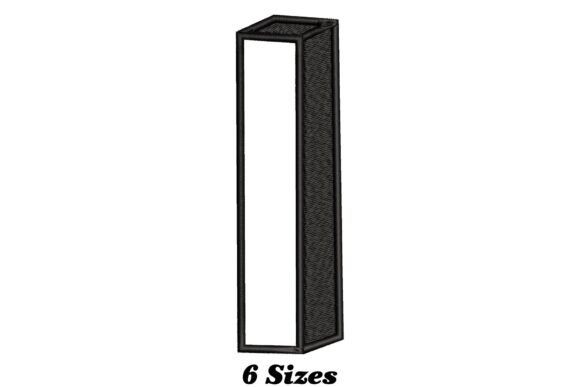
A Craft Fair Seller's Review of the Creative Letter I
As a professional embroidery designer preparing for a weekend craft fair, my first job is to evaluate designs not just for their beauty, but for their selling power. When I look at Creative Letter I, I see a design that has to earn its place on my tote bags, aprons, and towel samples. This review is my real-world judgment on where this machine embroidery design will shine, what products give it the best chance, and the practical points every crafter should consider before hitting the production button.
The First Impression: Where Does This Design Fit?
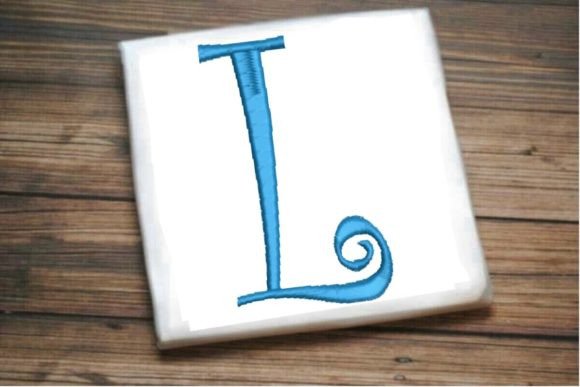
The title, Creative Letter I, suggests something beyond a simple alphabet letter. It hints at a decorative and imaginative flair. This isn’t a minimalist, modern block letter. It feels stylish, likely with embellishments or a unique twist that makes it stand out as a single, bold character. In a category like School, it could lean towards a playful, almost premium feel—perfect for items that celebrate individuality or a specific theme, like a graduate’s gift or a teacher’s apron. For my booth display, this means it won’t blend into the background. It has the potential to catch a customer’s eye because it’s familiar yet creatively reimagined.
Product Performance: Where Will Creative Letter I Sell?
My table will be stacked with craft fair products: tote bags, aprons, tea towels, caps, patches, and small pouches. Here’s how I see this embroidery file performing across those key items.
Top Tier: Statement Items & Giftable Goods
- Tote Bags & Market Bags: A single, bold Creative Letter I centered on a bag creates an immediate, personal statement. It reads as a small shop product with intention, not just generic decoration. This is a strong candidate for a focal design.
- Pillow Covers & Tea Towels: On home decor, this design can transform a simple item into a decorative accent. For towels, it adds that vibrant flair mentioned, making it feel like a special kitchen upgrade rather than just a utility item.
- Embroidered Patches: If the design’s details are clear, a patch version could be hugely popular. It allows customers to personalize their own items, adding immense value.
Solid Choices: Accents & Wearables
- Aprons & Caps: On an apron pocket or the front of a cap, the design works as a great accent. However, curved cap surfaces and the fabric texture of heavy aprons require careful testing to ensure the design doesn’t distort.
- Fabric Pouches & Small Gift Items: These are perfect for a smaller version of the design. They become quick, giftable handmade items that feel complete and thoughtful.
Consideration Needed: Booth Samples & Online Listings
One of the most important products is the booth sample itself. A beautifully embroidered tote with Creative Letter I acts as a walking advertisement. For my Etsy listings, I’ll need excellent photographs. The design must have good contrast and clear details to look appealing in a printable mockup and in real-life photos. A cluttered or unclear design will fail online.
Practical Production & Selling Points
Turning a digital embroidery file into a profitable finished product requires a hard look at the practicalities.
Design Clarity & Batch Production
Does Creative Letter I work as a small accent or only as a large focal point? This affects everything. If it has tiny details or small lettering, shrinking it for a pouch might make it lose clarity. For batch production at a fair, I need designs that are repeatable and consistent. I must test the design on scrap fabric at different sizes to find its happy range.
The Critical Details: Stitch Density & Fabric
- Stitch Density: Dense stitch areas can cause puckering on lightweight fabrics like t-shirts, but they can look luxurious on sturdy tote bag canvas. I need to inspect this.
- Fabric & Thread Contrast: On dark fabric, the design must use light, bright threads to pop. On textured towels or thick fabric, the right stabilizer is non-negotiable to keep details sharp.
- Hoop Size: The ideal hoop size will determine which products are physically possible to embroider efficiently. I won’t know until I check the file details, but this is a primary step.
Creating Real Value & Booth Impact
This design affects customer attention and product value directly. A well-executed embroidery on a premium bag feels like a handmade product of quality. It strengthens my entire booth display by showing skill and creativity. For buyer engagement, a unique letter can spark conversation—“What does the I stand for?”—making the sale more personal.
The Designer's Final Checklist Before Production
Before I stitch Creative Letter I on any product for commercial embroidery, here is my absolute must-do list.
- Create at least one real mockup on the intended product (like a tote bag). Photos of digital files don’t show fabric behavior.
- Check thread contrast on both light and dark fabrics to ensure visibility.
- Review spacing and detail size to confirm it’s legible at the planned scale.
- Compare fabric colors in your inventory. Some colors will make this design sing; others will mute it.
- Inspect stitch density on your test piece. Does it lay flat, or does it pull the fabric?
- Use the right stabilizer for each fabric type. A towel and a canvas bag need different approaches.
- Most crucially, confirm commercial licensing before selling finished products. The product description hints at embellishing items, but I must verify the license terms for my Etsy seller or craft fair use.
In conclusion, Creative Letter I presents a promising opportunity for craft fair sellers looking for a distinctive, decorative element. Its success hinges on strategic product placement—making it a bold statement on larger items—and meticulous production testing to ensure the handmade quality is evident in every stitch. By focusing on where it stands out most and respecting the practical embroidery requirements, this design can become a valuable design asset in your lineup, turning a creative letter into a compelling sale.