An Appliqué Number That Feels Right on the Field
First Impressions: Where This Design Finds Its Home
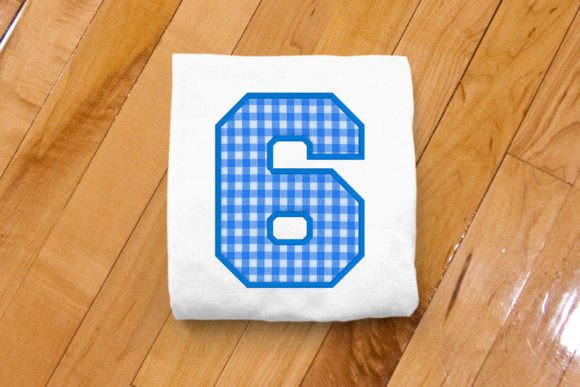
When I first opened the Varsity Number 6 Applique Embroidery file, the immediate feeling was one of clean, athletic confidence. It's not overly fussy or decorative. The collegiate-style lettering has that classic, blocky weight that conveys strength and team spirit without shouting. This is a design with a clear visual personality: straightforward, bold, and celebratory. It naturally belongs to projects meant to mark achievement, membership, or simple, spirited pride. I pictured it instantly on a graduation tote bag or the sleeve of a custom sweatshirt for a sixth-grade soccer player.
The Real-World Stitch: A Practical Walkthrough
In practical use, this machine embroidery design performs beautifully as a focal point. The appliqué approach means the main body of the number is filled with fabric, which saves time and thread compared to a fully stitched fill, and often creates a pleasing tactile texture on the finished product. For a small business owner creating custom apparel, this efficiency matters. I tested it conceptually for a holiday gift idea—a cozy blanket for a college freshman—and the design’s scale feels right; it’s substantial enough to be a gift’s centerpiece but not so gigantic it dominates delicate fabrics.
Where It Shines on Finished Products
This embroidery file is a versatile asset. It would be excellent for:
- Personalized gifts: Baby items celebrating a 6th birthday, or a kitchen towel for a retiree with a lucky number.
- Small shop merchandise: Embroidered patches sold separately or applied to caps, perfect for sports fans.
- Craft business items: Simple, strong branding on aprons for a bakery or café named "Six".
- Boutique products: Clean embroidery on pillow covers in a dorm room or sports-themed nursery decor.
The visual appeal is high because the style is instantly recognizable and positive. On a tote bag design, it adds significant perceived value, turning a plain bag into a specialized, handmade product. For an Etsy seller, this kind of clear, attractive design boosts customer trust—it looks professional and well-executed.
Considerations for a Smooth Embroidery Project
While the design is strong, its application requires some thought. The bold, blocky shape is generally forgiving, but there are places to proceed with care.
- Small hoop sizes: Ensure your machine can accommodate the design's full size without needing to shrink it excessively, which could compromise the clean lines.
- Textured or stretchy fabrics: Like on a cap or a sweatshirt, using the correct stabilizer is crucial to prevent puckering around those solid satin stitch borders.
- Dark fabric backgrounds: The appliqué fabric color choice becomes paramount here. A light fabric appliqué on a dark garment will pop beautifully, but you must test thread color contrast for the stitching outlines to ensure they are visible and crisp.
- Products needing frequent washing: On items like tea towels or baby clothes, secure the appliqué fabric with a robust stitch density and consider a tightly woven base fabric to ensure longevity.
A Specific Scenario: The Custom Sweatshirt Order
Imagine a client orders a sweatshirt for their daughter, a varsity volleyball player. Using this design, the process is straightforward, but the details matter. I'd choose a felt or sturdy cotton for the appliqué to withstand wear. I'd test the design on scrap fabric first, a similar knit, to check the stitch density and whether any small corners in the number need a slight manual trim for perfect clarity. The result would be a clean, professional-looking garment that feels made for the purpose, enhancing brand consistency for my embroidery service.
Designer Notes for Professional Results
Before committing this design to a final project or listing it in your craft business, a few steps are always wise:
- Always run a test stitch, even on scrap, to see the actual thread colors and fabric interaction.
- Review the design in both black and white mockups for your printable mockup or digital product previews to gauge its versatility.
- Confirm the necessary hoop size with the design details provided by the seller.
- Inspect how the design handles on both light and dark fabric texture backgrounds in your test.
- Use a stabilizer appropriate for your target material—don't skip this step for an appliqué.
- Crucially, check whether the design works for both personal and commercial projects. Confirm the licensing terms before selling any finished product or including the file as a digital embroidery file in your own shop. This protects your business.
The Final Take: A Design That Delivers
The Varsity Number 6 Applique Embroidery is a solid, useful design asset. Its strength lies in its thematic clarity and practical construction. It doesn't pretend to be everything; it knows it's a celebratory number, and it executes that role with confidence. For embroidery designers and creative entrepreneurs, it's a reliable choice for projects that require a touch of athletic pride or simple, bold personalization. It stitches up into a product that feels intentional and well-made, which is exactly what your customers—and your own professional standards—are looking for.