Monako Font: A Professional’s Review for Business Branding
As an embroidery designer working daily with small businesses and creative brands, I see fonts not just as decorative elements, but as critical brand assets. When a client brings me a new font like Monako Font for their merchandise, my first task is to evaluate its real-world performance beyond the screen. This review stems from that practical perspective, imagining how Monako Font would function for a café, boutique, handmade shop, or any small business looking to elevate their branded apparel and patches.
First Impression: Clean, Classic, and Business-Ready
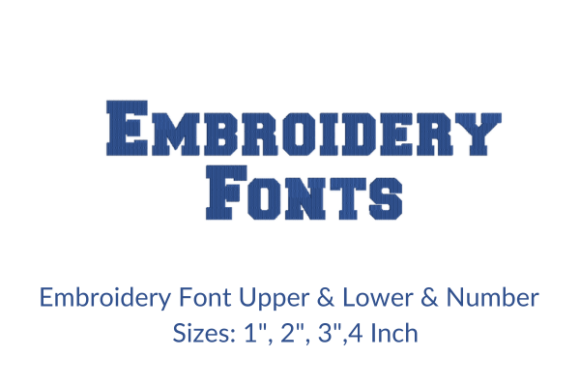
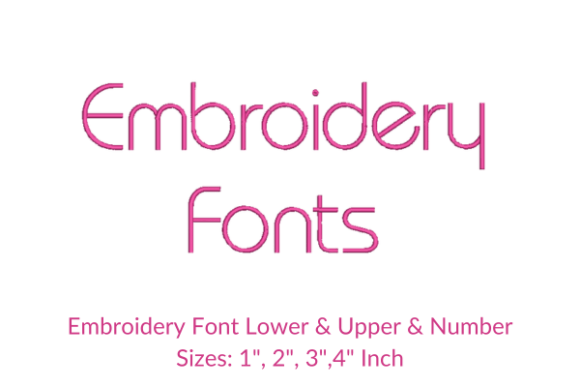
The immediate feel of Monako Font is one of clean, classic professionalism. It doesn’t shout; it communicates. This makes it a remarkably versatile starting point for business use. It leans neither too playful nor overly rustic, sitting comfortably in a space that conveys reliability and attention to detail. For a small business, this is a powerful foundation. Whether you’re a florist wanting elegant tote bags or a tech studio needing sharp cap logos, Monako Font provides a typographic voice that feels established and trustworthy, a key component in building brand identity and customer confidence.
Performance in Key Small Business Applications
Let’s translate that first impression into actual stitch and thread. How does Monako Font hold up on the real products your business depends on?
Embroidered Patches and Product Labels
For creating standalone embroidered patches or labels for handmade products, Monako Font’s clarity is a major advantage. Patches serve as mini-billboards on bags, jackets, or as product tags. The font’s design suggests it will maintain legibility even at smaller sizes, which is essential for patches on curved surfaces like cap sleeves or as subtle accents on apron pockets. This legibility directly enhances product value and recognition, making your small business merch instantly identifiable.
Staff Uniforms and Workwear
Embroidery on uniforms—aprons, polo shirts, work shirts—must withstand daily wear and frequent washing. A font like Monako Font, with its likely balanced stitch density, is a good candidate for this rigorous environment. It should embroider cleanly on various fabric textures common in workwear, from cotton twill to polyester blends. On a chef’s apron or a retail staff’s shirt, it projects a unified, professional team image, reinforcing visual consistency across your business.
Tote Bags, Caps, and Customer Gifts
These items are often the frontline of your brand’s visual presentation. For tote bag design or cap embroidery, the font’s classic character helps it feel both premium and approachable. It’s suitable for stitching a business name across a bag’s front panel or a concise logo on a cap’s front. The result is custom apparel that customers wear proudly, extending your brand’s reach organically. For Etsy sellers or craft businesses, using Monako Font on these items elevates the handmade product into a cohesive, branded experience.
Where to Use Monako Font with Care
Even the most versatile font has its limits. A professional designer always tests boundaries before production.
For Monako Font, the primary caution areas involve scale and detail. While it appears clean, always test it at small patch size first—especially if you intend to use it for tiny lettering on product packaging accents or miniature labels. On curved surfaces like cap fronts, ensure the letter spacing remains consistent and doesn’t distort. Another critical check is thread color contrast. On dark uniforms or bags, the font will need a light, bold thread color to pop effectively; conversely, on light fabrics, a dark thread will define it clearly. Always test on real fabric with the proper stabilizer to see how the machine embroidery design behaves before committing to a large commercial embroidery run.
The Impact on Brand Identity and Customer Engagement
Choosing an embroidery font is a brand decision. Monako Font, with its professional yet friendly demeanor, can significantly affect how customers perceive your business. It supports a brand story of craftsmanship and reliability. When used consistently across staff aprons, event merch, and boutique merchandise, it creates a recognizable typographic signature. This consistency builds customer trust and engagement, as they subconsciously associate the clean, clear lettering with a quality experience. For a pet brand, bakery, or creative studio, this subtle, cohesive branding can make your products and gifts feel more intentional and valuable.
Practical Designer Notes Before You Stitch
Before you run this digital embroidery file for your business, here is my standard checklist from the design table.
- Always test in black and white first. This reveals the pure structure of the font, free from color influences.
- Create a mockup for client approval. Even if you’re the business owner, make a printable mockup to see how it integrates with your other design assets.
- Confirm the hoop size requirements. While specifics aren’t provided here, knowing the required hoop size for your text layout is essential for planning your finished product.
- Compare it beside your other branding. Place a stitched sample next to your existing logos or graphics to ensure visual harmony.
- Review spacing on the actual item. Hoop the actual cap, tote bag, or uniform scrap and stitch a key word to check for any spacing issues on that specific material.
- Confirm commercial licensing before business use. As a font categorized for School and Embroidery, ensure your intended use aligns with the license terms of the embroidery file.
In the hands of a small business, a tool like Monako Font is more than a way to write names or dates. It’s a building block for a tangible, stitch-and-thread brand identity. Its classic, clean presentation makes it a safe, strategic choice for businesses wanting to project professionalism without sacrificing warmth. From the chest logo on a staff shirt to the subtle mark on a customer’s tote bag, it can carry your brand’s name with clarity and confidence. As with any machine embroidery design, success lies in thorough testing and thoughtful application, ensuring every stitch contributes to the story you want your business to tell.